
Bed Bug Identification Guide
Bed bugs are small, elusive insects that feed on human blood. They often go unnoticed due to their secretive nature and exceptional hiding skills. Even after completing a thorough inspection, the Rocky Mountain Bed Bug team locates less than 10% of an infestation.
Knowing what signs to look for can help you identify an active bed bug infestation in your home before it gets completely out of hand.
What do Bed Bugs Look Like?
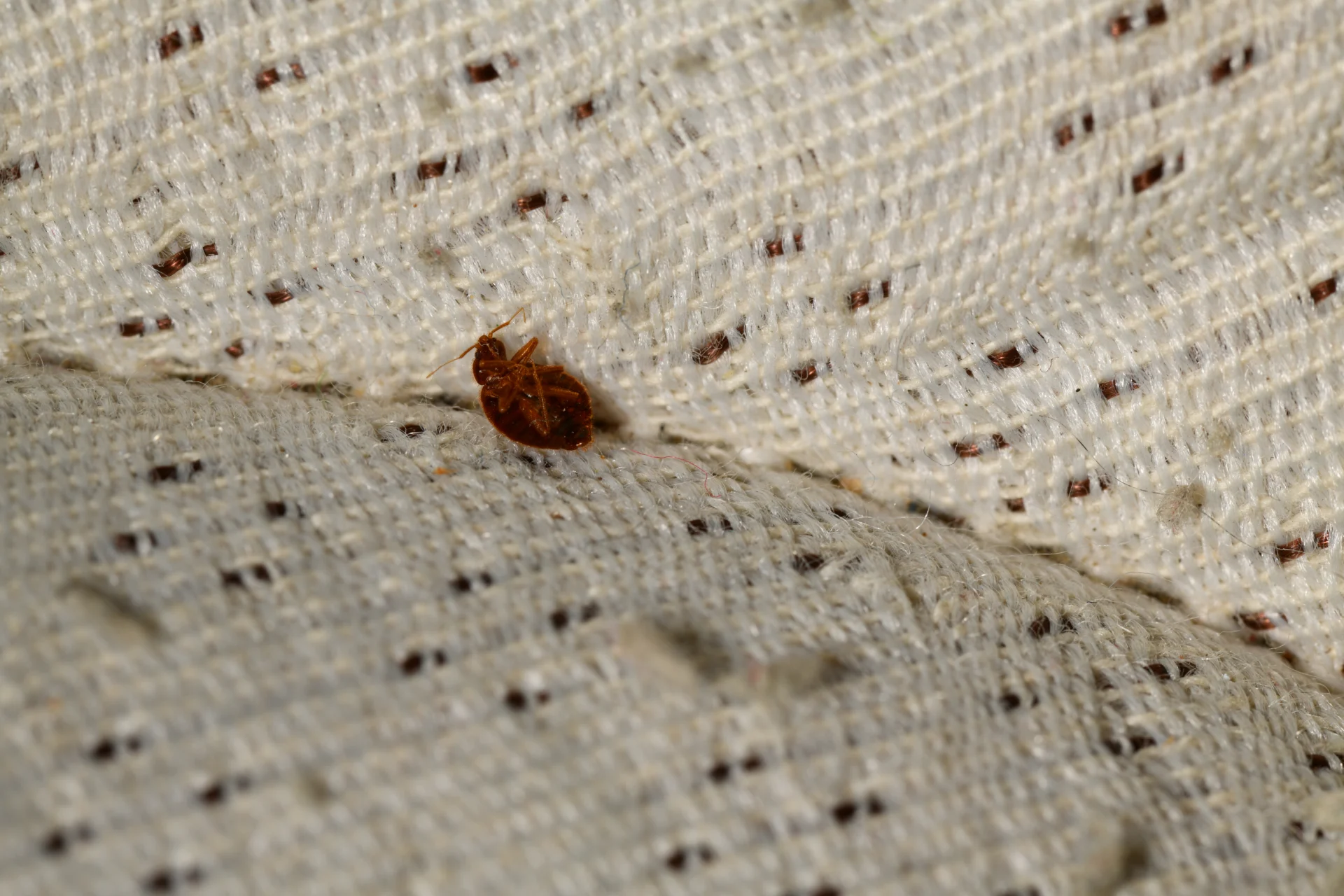
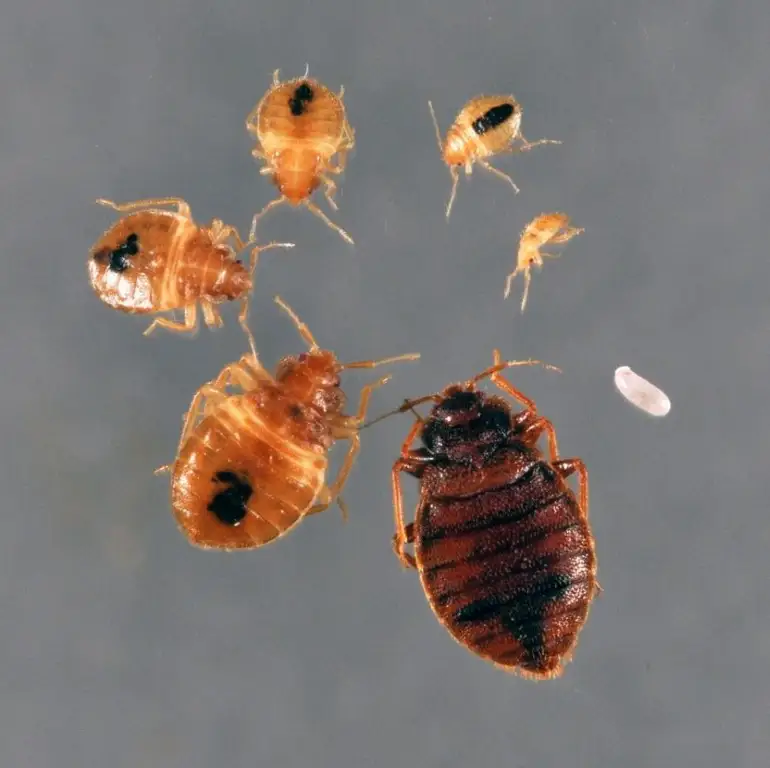
In their adult phase, bed bugs are a reddish brown color and have a generally flat body with a tapered football-shaped abdomen. Juvenile bugs (nymphs) are usually a light tan color with a dark spot near the bottom of the abdomen.
When bed bugs finish feeding, they turn darker red in color, grow longer, and have a swollen appearance.
Unfortunately, because of their small size (about the size of an apple seed) and advanced hiding skills, they often go unnoticed until an infestation has grown.
Schedule an Inspection Today
What to Look For to Determine an Infestation
Spotting
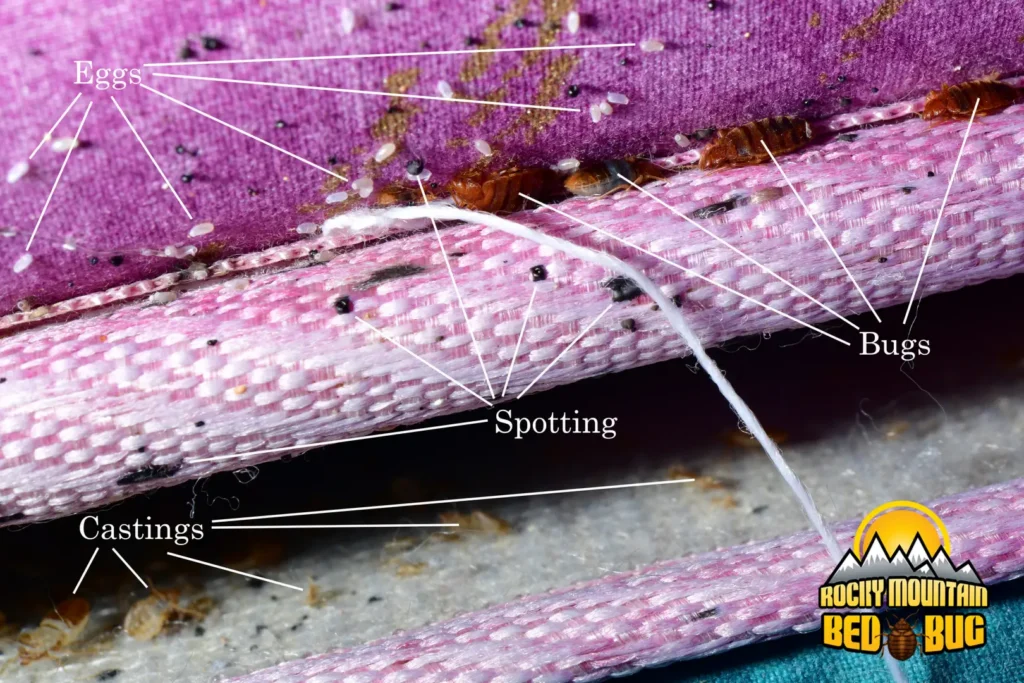
Live bugs are often the last sign of an infestation. Spotting (feces) is usually the very first thing we look for during inspection. Bed bugs leave small black or rust-colored spots behind after feeding. These spots are deposited in areas where bed bugs have fed, traveled, or nested.
Because many insects leave behind fecal matter, a trained eye is required to tell the difference between bed bug spotting and similar spotting caused by other common pests.
Clusters of Eggs
The second most common sign of a bed bug infestation is clusters of eggs. These eggs are incredibly small and often hard to spot. Look for clusters of small opalescent eggs along mattress seams, fabric folds, bed frames, headboards, nightstands, and baseboards.
With appropriate tools, a technician can not only identify the eggs but also often gauge how long an infestation has been present by the amount of spotting and eggs in certain areas of the home.
Castings
Our team also searches for castings. Castings are the shed exoskeletons left behind as bed bugs grow. They are very fragile and often get destroyed when fabrics rub together or when furniture is vacuumed.
If our team finds large deposits of castings, we can often determine the location of nesting sites.
What to Do If You Find Bed Bugs
If you discover evidence of bed bugs:
- Avoid throwing away furniture
- Do not move infested items into other rooms
- Wash bedding and clothing in hot water
- Dry fabrics on the highest heat setting possible.
- Reduce clutter around affected areas.
- Schedule a professional inspection as soon as possible.
DIY sprays and foggers often fail to eliminate eggs and bed bugs hiding deep inside furniture, walls, and other protected areas.
Even if you don’t believe you have a bed bug problem, you should perform an inspection if you recently traveled, purchased used furniture, or hosted overnight guests. Catching bed bugs early can lead to easier and less expensive treatment.
Schedule a Professional Bed Bug Inspection Today
If you suspect you may be dealing with a bed bug infestation, we strongly recommend seeking our help sooner rather than later. A trained eye can make a huge difference in identifying a problem early and keeping an infestation from spreading beyond your home and infecting your neighbors.
Call today to schedule an inspection. We treat residential and commercial properties in Idaho, Northern Utah, Wyoming, and Montana.
Frequently Asked Questions
Can you see bed bugs with the naked eye?
Yes. Adult bed bugs are visible without magnification, although eggs and newly hatched nymphs can be much more difficult to spot.
Do bed bugs only live in dirty homes?
No. Bed bugs can infest clean or cluttered homes alike. They are attracted to people, not dirt.
Can bed bugs fly or jump?
No. Bed bugs cannot fly or jump. They crawl from place to place and often spread by hitching rides on luggage, furniture, clothing, and other belongings.