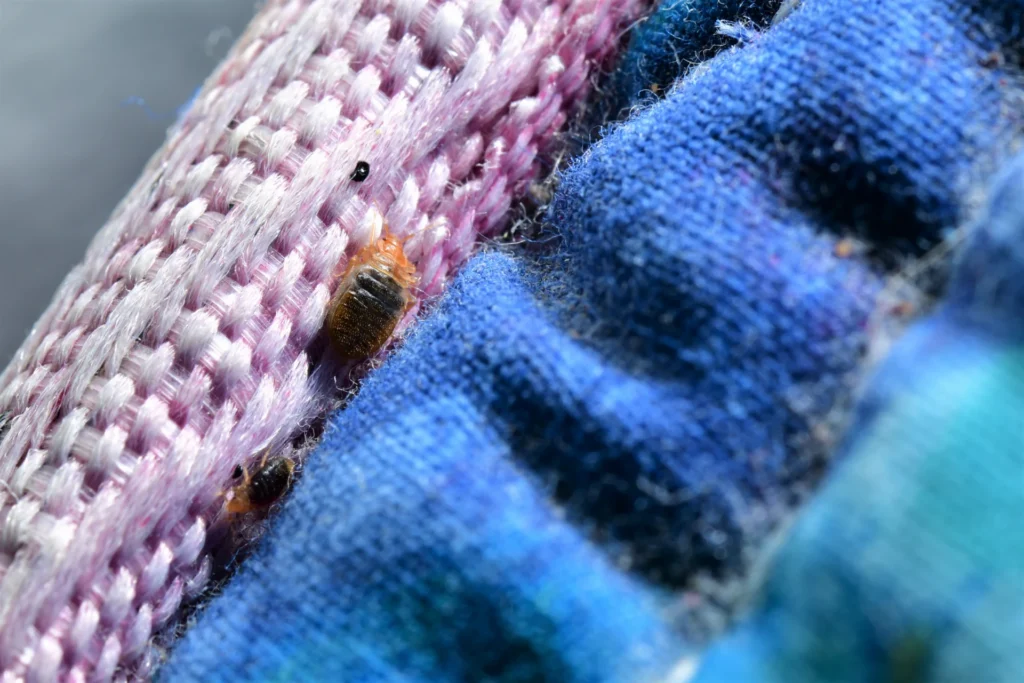
Discovering bed bugs can be stressful, and successfully eliminating them is only half the battle. One processional treatment is complete, homeowners need to take the right steps to prevent a new infestation. Bed bugs love to hitchhike, and without proper precautions, they can find their way back into your home.
To keep your home bed bug-free, follow these few simple practices.
1. Follow Your Pest Control Professional’s Instructions
Every infestation is unique, and every treatment plan is different. It’s important to follow any post-treatment recommendations provided by your pest control company. These instructions may include leaving mattress encasements in place, monitoring for any remaining activity, and scheduling follow-up inspections.
Following specific guidelines gives the treatment the best chance of keeping your property bed bug-free.
2. Reduce Clutter
Bed bugs love clutter because it provides them with numerous hiding places. Reducing unnecessary items throughout your home makes it easier to inspect for bed bugs and decreases the number of hiding spots they can use.
When decluttering, pay special attention to bedrooms, closets, under beds, storage boxes, and laundry areas. After initial organizing, keep belongings in their assigned places and avoid piling clothing, books, boxes, or other items on the floor.
3. Continue Inspecting Sleeping Areas
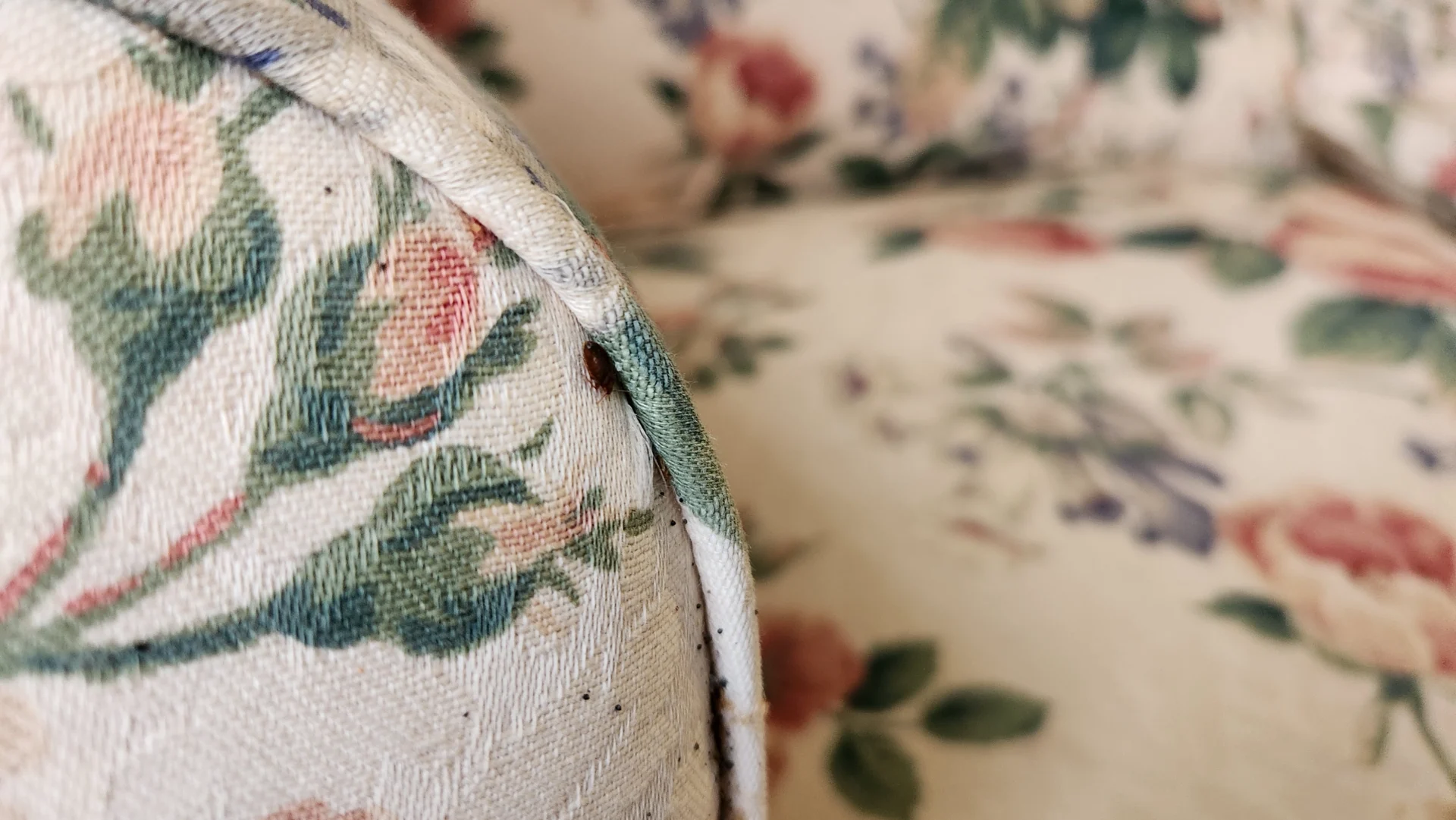
Even after treatment, you should continue to inspect areas where bed bugs like to show up. Check mattress seams, box springs, bed frames, headboards, nightstands, and upholstered furniture, looking for live insects, tiny white eggs, shed skins, or small dark spots.
Early detection can keep your home bed bug-free.
4. Wash Bedding Regularly
After treatment, you may want to continue washing bedding, pillowcases, blankets, and recently worn clothing in hot water (at least once a week if possible). You may also want to dry items using the highest heat setting recommended for the fabric.
High temperatures help eliminate any bed bugs or eggs that may have been accidentally introduced after treatment.
5. Vacuum Frequently
Regular vacuuming helps you remove insects before they become established. Focus on carpet edges, mattress seams, upholstered furniture, baseboards, bed frames, and area rugs.
After vacuuming, immediately empty the vacuum collection into a sealed plastic bag and dispose of it outside. If your machine has a bag, immediately discard it in an outdoor trash can and attach a new one.
6. Be Cautious with Secondhand Furniture
Bed bugs often make their way into homes on used furniture. Before bringing secondhand items inside, inspect seams and cracks carefully, look underneath cushions, and check joints and scew holes.
When possible, purchase furniture from reputable sellers who inspect or refurbish items before resale. Avoid picking up furniture left on curbs or the side of the road
7. Inspect Luggage After Traveling
Hotels, vacation rentals, airports, and public transportation can all expose travelers to bed bugs.
After returning home, inspect luggage outdoors or in the garage, wash and dry all clothing immediately (even unworn items) on the hottest settings possible, vacuum luggage thoroughly, and store suitcases away from the bedrooms.
Travel is one of the leading causes of new bed bug infestations.
8. Protect Your Mattress
Mattress and box spring encasements create a protective barrier that helps keep bed bugs from hiding inside these difficult-to-treat areas.
Additionally, enclosures make future inspections much easier because there are fewer places for bed bugs to conceal themselves.
Keep encasements sealed for the recommended amount of time after treatment to keep your home bed bug-free.
9. Be Careful When Hosting Guests
Bed bugs are not a sign of a dirty home or poor housekeeping. They can easily travel between homes on luggage, backpacks, purses, and clothing.
If you’re hosting guests who have recently traveled or stayed in hotels, encourage them to inspect their belongings before entering sleeping areas.
Likewise, inspect your own belongings after visiting someone else’s home if they have recently traveled or you’re worried about bed bugs.
Don’t Skip Preventive Measures
Once you’ve dealt with a bed bug infestation, you understand how difficult these pests can be to eliminate. Continuing to practice good habits, even months after treatment, can significantly reduce the risk of future problems.
Investing in regular inspections, minimizing clutter, washing bedding weekly, and taking precautions while traveling can go a long way toward keeping your home bed bug-free.
Keep Your Home Bed Bug-Free
Professional bed bug treatment is the most effective way to eliminate an infestation, but long-term success depends on what you do after pest control leaves your property. Staying vigilant, maintaining a clean and organized home, and practicing smart prevention habits can help ensure bed bugs don’t return.
If you suspect bed bugs have made their way into your home again, don’t wait. Call Rocky Mountain Bed Bug, and our team will perform an inspection and act quickly to keep you from dealing with a large infestation again.