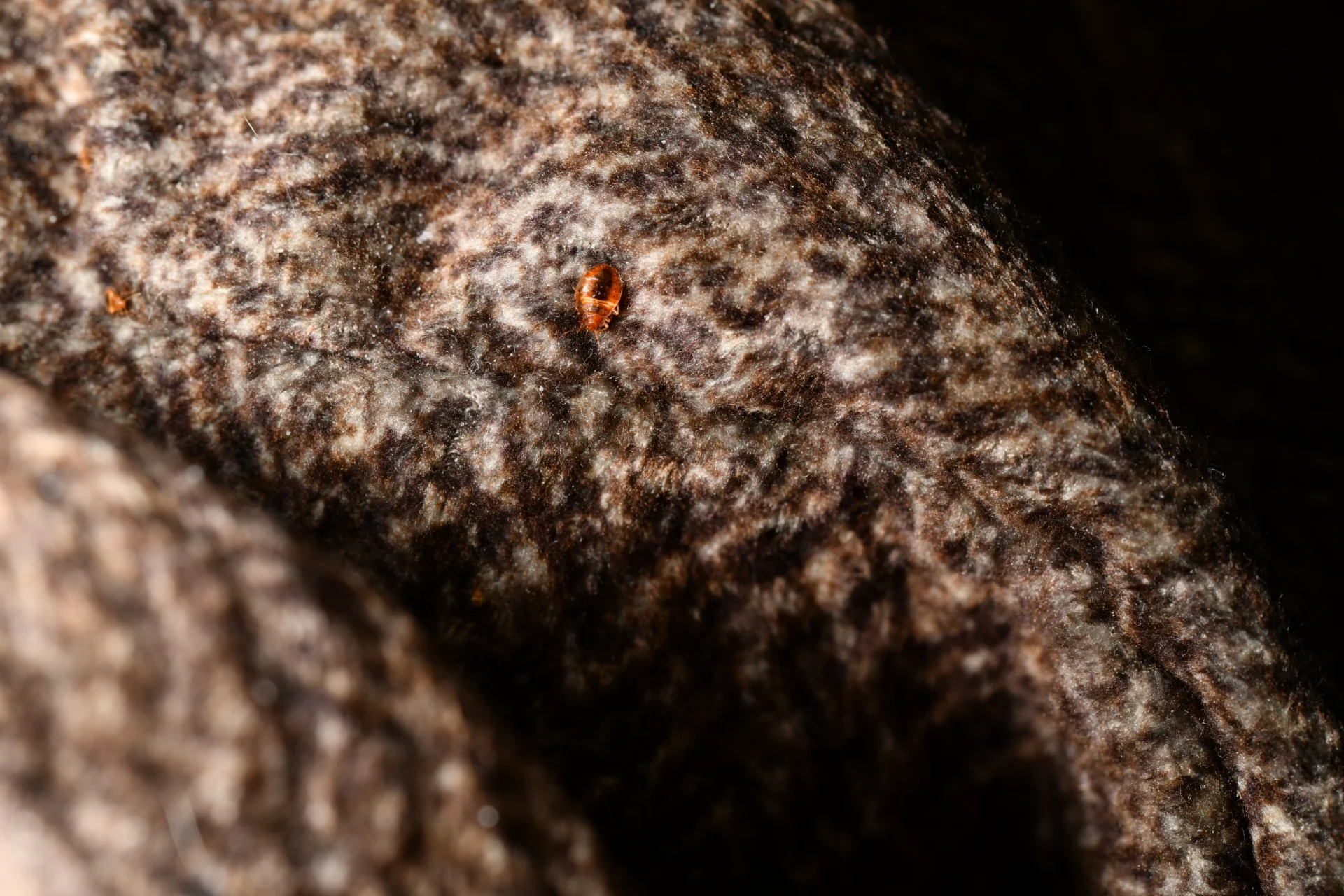


For many people, summer brings an increase in traveling, whether for family vacations, weekend getaways, or business trips. Unfortunately, this uptick in time spent away from home can put you at risk of bringing back bed bugs.
Below, we’ll break down how these annoying pests spread and teach you how to protect yourself, so you can have a worry-free travel season.
Why Summer Travel Increases Bed Bug Risks
Because bed bugs don’t fly or jump, they rely on people to move them around. During the summer, hotels, airports, buses, and vacation rentals experience a surge in traffic. This increased activity gives these pests the perfect chance to latch onto luggage, clothing, and personal items.
Even clean, high-end accommodations can fall victim to infestations. Bed bugs don’t care about cleanliness. They are attracted to warmth, carbon dioxide, and blood.
How Bed Bugs Travel With You
Bed bugs excel at staying hidden, and they can crawl three to four feet per minute. This combination allows them to easily tuck themselves into suitcase seams and zippers, clothing folds, shoes, backpacks and purses. Once they hitch a ride, they can quickly infest your home if not caught early.
What to Look for in Your Hotel Room
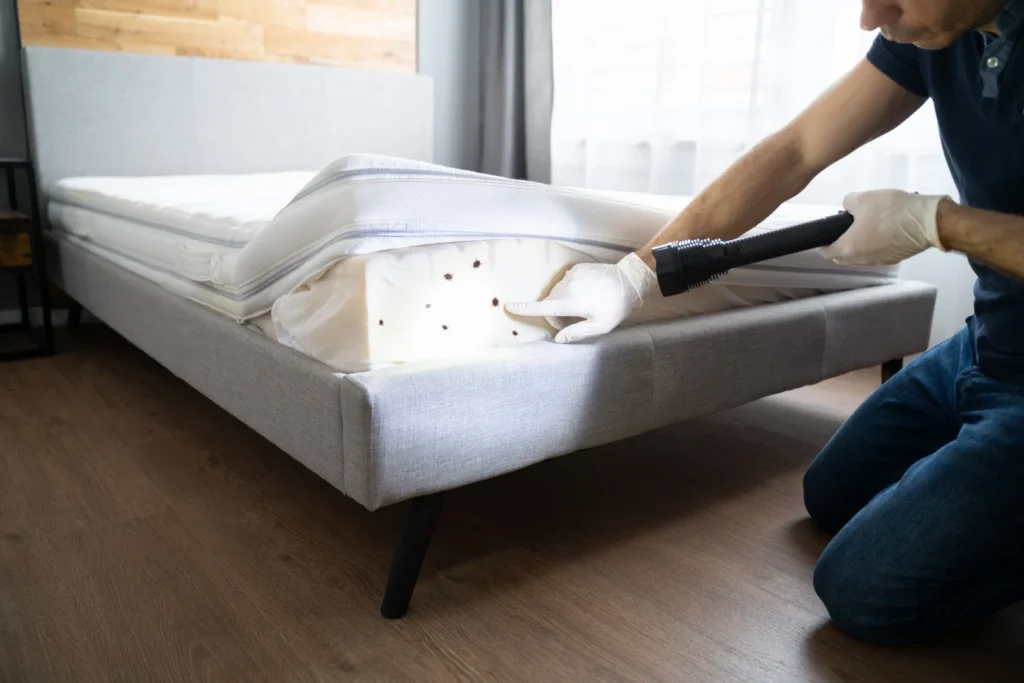
Before settling in, take a few minutes to inspect your room. Use a flashlight and focus on areas where bed bugs typically hide, such as mattress seams and tags, box springs, headboards, behind wall art, and nearby furniture.
Signs of bed bugs include small reddish brown stains (from crushed bugs), tiny black dots (from fecal matter), live bugs, or shed skins.
If you notice anything suspicious, tell management immediately and request a new room, preferably in a different area of the building, or go to another hotel in the area.
Smart Packing Tips to Prevent Infestations
A few simple habits can significantly reduce your risk.
- Use hard-shell luggage when possible
- Keep suitcases off the bed and floor (use luggage racks)
- Store clothes in sealed bags inside your suitcase
- Use packing cubes to organize items and give yourself an extra layer of protection
- Avoid unpacking fully unless necessary, and keep your suitcase zipped shut when away.
These small precautions make it harder for bed bugs to access your belongings during summer travel.
DIY Prevention Tools (And Their Limitations)
You may see travel products marketed for bed bug prevention. Here’s how they stack up:
Bed Bug Sprays — These aren’t very effective and may repel rather than eliminate bugs.
Mattress Encasements — These are helpful for home use, but not practical for travel.
Travel Heaters — These are useful for small items, but won’t be a complete solution.
Interceptors (Bed Leg Traps) — Interceptors can help your monitor for bed bugs, but won’t help you prevent them.
These tools can support your efforts, but they shouldn’t replace vigilance and inspection.
What to Do When You Return Home
When you return home from summer travel, you should unpack your suitcase in your garage or laundry room and wash all clothing in hot water, then dry on high heat for 30 minutes. Heat is one of the most effective ways to kill bed bugs at all life stages.
After emptying your suitcase, vacuum it thoroughly and store it away from living spaces.
Early Signs of a Problem at Home
Even if you were careful during your summer travels, you should still watch for signs of bed bugs when you return home. Keep an eye out for unexplained bites (especially if they show up in lines or clusters), small stains on sheets or pillowcases, and visible bugs around sleeping areas.
Catching an issue early can save you time, money, and stress.
When to Call a Professional
If you suspect bed bugs, you should take action as soon as possible. DIY treatments often miss hidden bugs and eggs, allowing the infestation to grow. Professional heat treatment is designed to eliminate bed bugs completely, even in hard-to-reach areas.
Heat treatment is considered the most effective solution because it penetrates cracks, furniture, and fabrics to kill eggs, nymphs, and adults. It also leaves no chemical residue, so your home stays clean.
Professionals will heat rooms to around 120–135°F, which is lethal to bed bugs.
Travel Smart and Stay Protected
When traveling this summer, your time should be spent making memories, not dealing with pests. By staying aware, inspecting your surroundings, and taking preventive steps, you can dramatically reduce the risk of bringing home bed bugs.
A little vigilance goes a long way in keeping your travels and your home bed bug free.