Bed bugs are small, persistent pests that many homeowners struggle to eliminate. They reproduce quickly and hide in places that are easy to overlook. To recognize an infestation quickly, you need to understand the bed bug life cycle.
From egg to adult, bed bugs go through several stages of development. Each stage presents its own challenges when it comes to treatment, which is why a thorough approach is essential for achieving long-term results.
Stage 1: Bed Bug Eggs
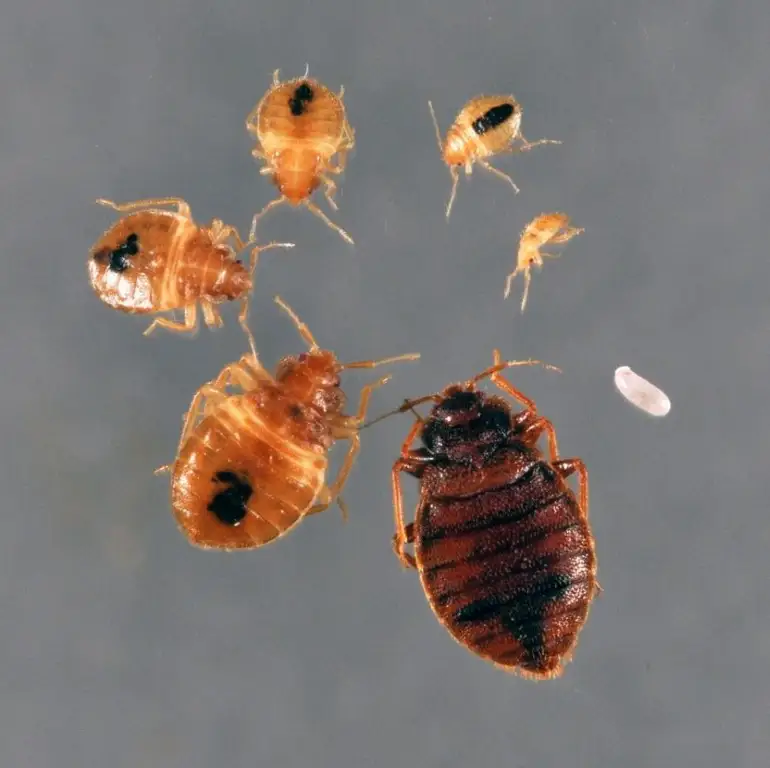
The bed bug life cycle begins with eggs. Adult female bed bugs lay tiny, pearly-white eggs in clusters in cracks, crevices, and other protected areas where people sleep or rest. These eggs are extremely small and often difficult to see without close inspection.
Under favorable conditions, bed bug eggs can hatch in roughly one to two weeks. Even if you only see a few bugs initially, infestations can continue to grow without you realizing.
Because eggs are well-hidden and difficult to identify, finding and treating them is an important part of professional bed bug control.
Stage 2: Nymphs
After hatching, young bed bugs are called nymphs. Nymphs go through five developmental stages before reaching adulthood. They must feed on a blood meal between molts in order to grow larger with each stage. It takes about five weeks for bed bugs to go through all five stages.
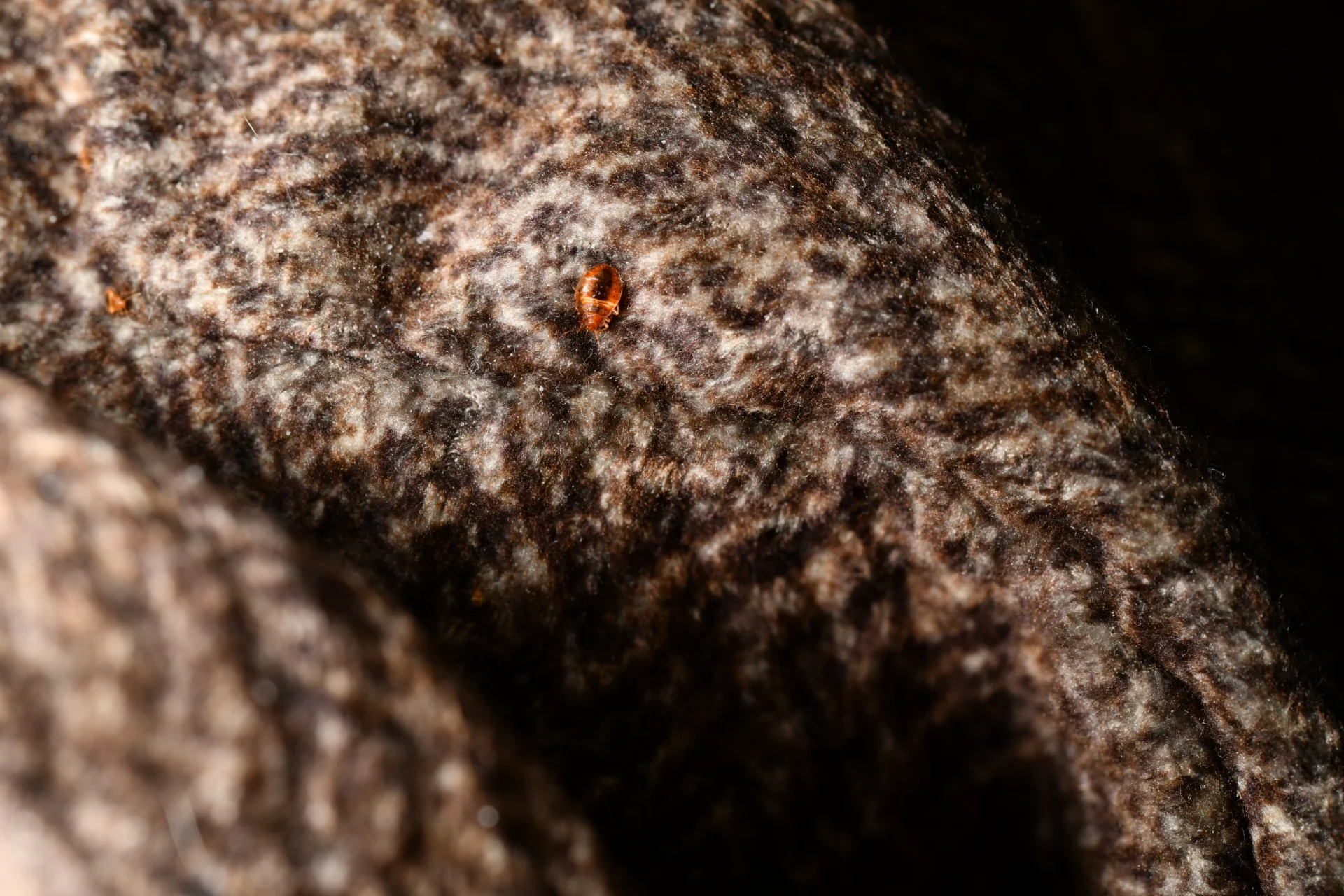
Newly hatched nymphs are extremely small and pale (almost translucent), making them particularly difficult to spot. As they develop, they become larger and darker, eventually resembling adult bed bugs.
Nymphs can be especially concerning during an infestation because they’re a sign of active reproduction. Finding very small bed bugs often means there are likely eggs and additional bugs nearby.
Stage 3: Adult Bed Bugs
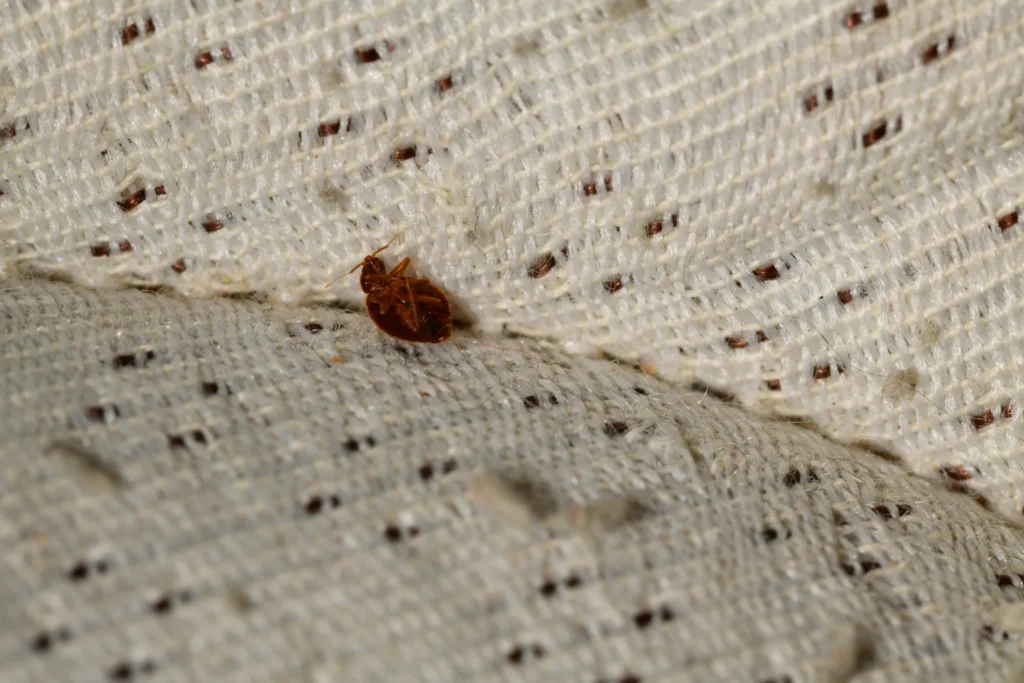
After completing five nymphal stages, bed bugs become adults. Adult bed bugs are oval-shaped, reddish-brown in color, and approximately the size of an apple seed. They typically feed once a week, but can survive many days without a meal if needed.
Once mature, they reproduce and continue the bed bug life cycle. A female can lay multiple eggs over time, allowing a small infestation to become a much larger problem if not addressed.
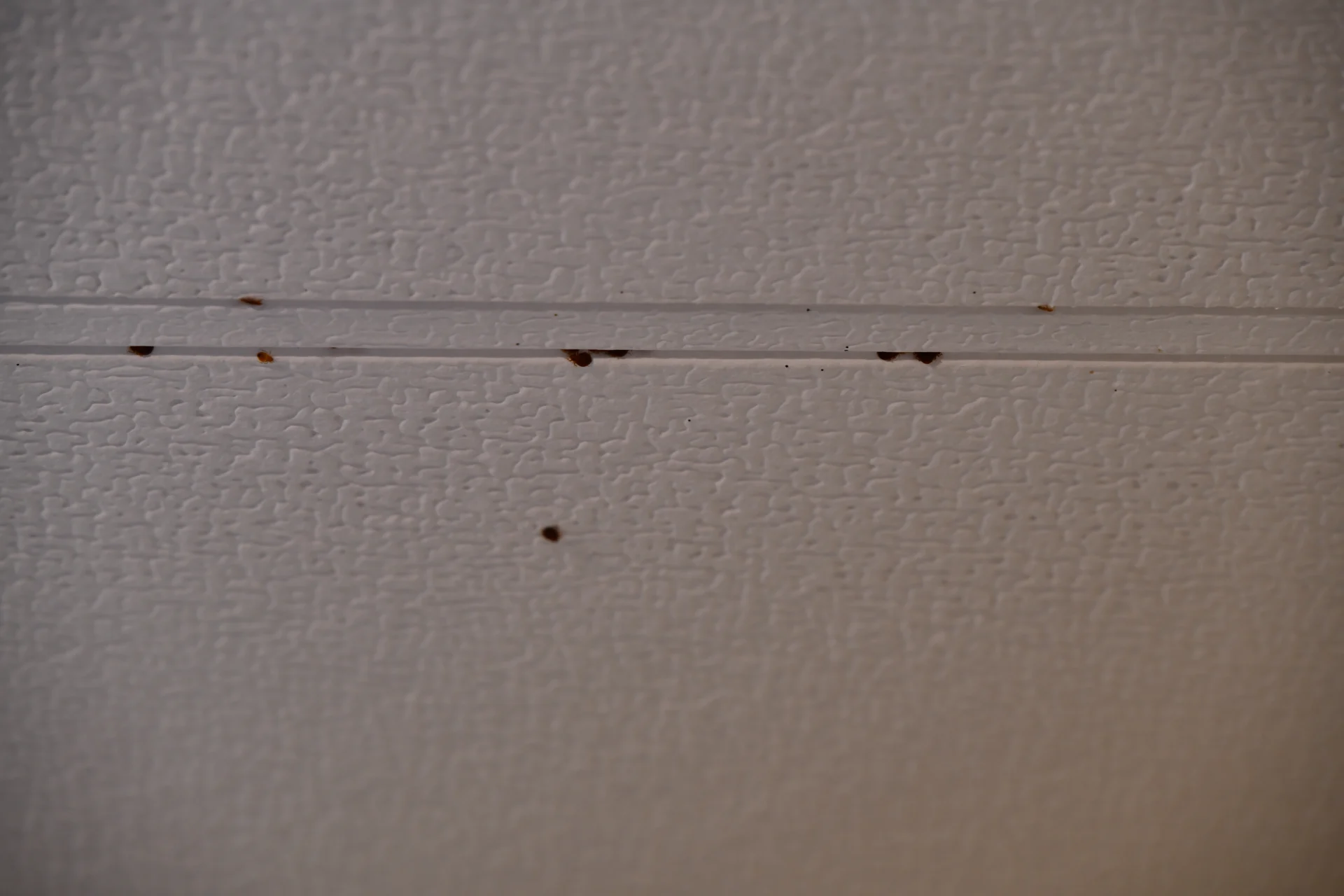
Adult bed bugs are also highly effective at hiding. They hide in mattress seams, box springs, bed frames, furniture joints, baseboards, cracks, and other concealed spaces.
As the infestation grows, bed bugs spread beyond the bedroom into other areas of your property. These pests typically live for six to 12 months, but with the right conditions, they may live even longer.
Why Bed Bug Eggs are a Major Challenge
One of the biggest treatment concerns is the presence of eggs. Because eggs are small and can hide in cracks or crevices, they may be missed during a basic inspection or DIY treatment.
Some chemical treatments may not eliminate every egg, which can allow new nymphs to hatch after the initial treatment. Professional bed bug control services can help identify potential egg-laying areas and determine the most appropriate treatment strategy for your specific infestation.
Why Professional Bed Bug Treatment is More Effective
Professional pest control technicians are trained to notice signs of bed activity throughout a property. They can inspect common hiding areas and determine the extent of an infestation.
Heat treatment is often the most effective solution. It can be used to eliminate bugs in a certain room or throughout your entire home or business. During this treatment, technicians raise temperatures to levels that are lethal to bed bugs across all life stages. The goal is to treat not only visible insects but also eggs and pests hiding in difficult-to-reach locations.
Preparation and thoroughness are the most important parts of bed bug treatment. Bed bugs can hide in many places, so treating only your mattress or bed frame may not eliminate the entire infestation.
Early Detection Can Make a Difference
The sooner you identify an infestation, the easier you can prevent it from spreading. Common signs include live bed bugs, shed skins, small, dark spots on bedding or furniture (fecal matter), blood spots, and bites that may appear after sleeping.
However, bites alone are not a reliable way to confirm an infestation. Some people do not react to bed bug bites, and other insect bites or skin conditions can look similar.
Don’t Let the Life Cycle Work Against You
The bed bug life cycle is relatively simple, but it plays a major role in how infestations develop and why they can be difficult to eliminate. From tiny eggs and developing nymphs to reproductive adults, each stage contributes to the continued growth of an infestation.
Eliminating visible insects is only part of the solution; the entire life cycle must be considered for the best chance of long-term control. If you suspect an infestation, contact Rocky Mountain Bed Bug to schedule an inspection.