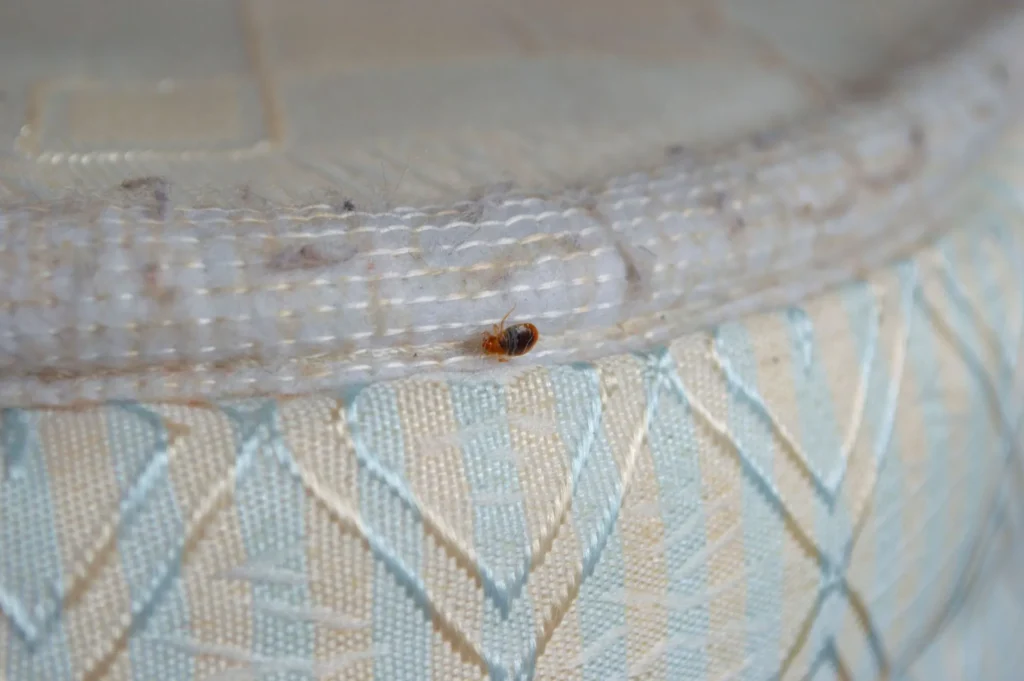
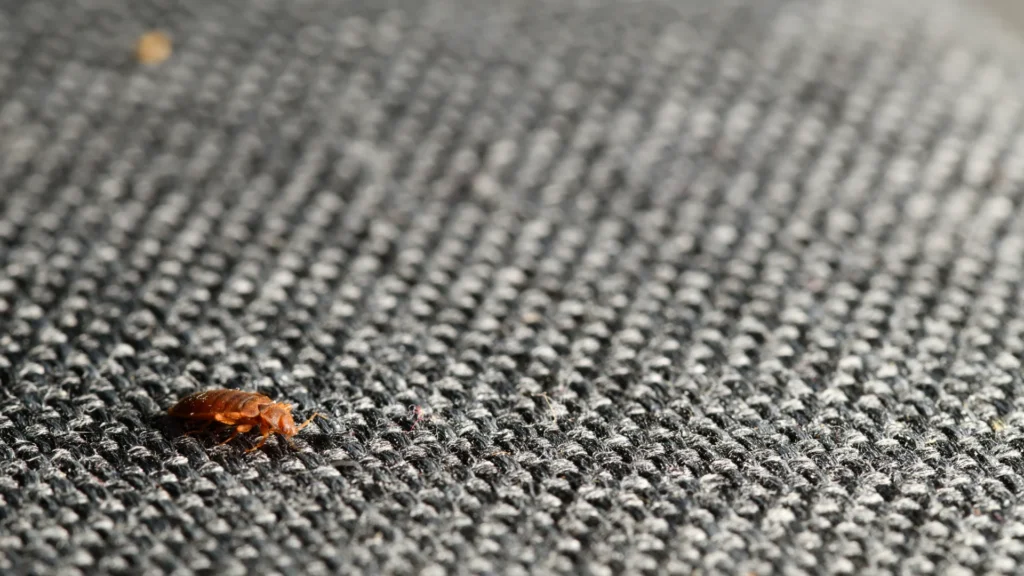
When winter arrives, people spend more time indoors, on planes and buses, around friends and family, and in crowded spaces. While all of this is the normal part of the holiday season, it can also give bed bugs the opportunity to spread. They hitchhike on luggage, clothing, backpacks, and other personal belongings.
Below, we’ll discuss some common winter activities that contribute to the spread of bed bugs, so you can recognize potential risks.
1. Traveling for the Holidays
Winter is a busy travel season for many families. Whether staying in a hotel, renting a vacation property, navigating crowded airports, or visiting relatives, overnight stays can increase your and your family’s exposure to bed bugs.
Bed bugs can hide in mattress seams, upholstered furniture, headboards, luggage racks, and other small spaces near where people sleep. If bed bugs are present, they may crawl into suitcases or belongings and come home with you.
To reduce the risk of bringing home bed bugs:
- Inspect common hiding areas for live bugs, dark spots, or shed skins
- Keep clothing and suitcases on hard luggage racks or other solid surfaces away from beds. floor, and upholstered furniture
- When you return home, check your luggage and wash and dry travel clothing using the hottest temperatures safe for the fabrics.
2. Hosting Overnight Guests
Holiday gatherings often bring friends and family together overnight. Although hosting guests is a common winter tradition, it can cause people to accidentally spread bed bugs, whether on clothing or personal items, or in luggage.
This doesn’t mean you have to keep your home free of visitors. During the holidays, provide a designated area for luggage and encourage guests to keep their belongings off beds and upholstered furniture when possible.
After overnight guests leave, check sleeping areas for signs of bed bugs if you suspect a possible exposure. Keep in mind that bed bugs are small and adept at hiding, so a quick visual inspection may not guarantee that an area is free of pests.
3. Sharing Coats, Bags, and Personal Belongings
During the winter, people often wear bulky coats, scarves, hats, and gloves and carry backpacks and handbags. During parties, school activities, and family gatherings, these items may get placed together in closets, on beds, or haphazard piles near entryways.
While bed bugs don’t typically live on people the way lice do, they can hide in belongings and quietly move between locations. A coat or bag placed near an invested area or piece of furniture can potentially carry a bug to another place.
To lower the risk of infestation, hang coats separately when possible, keep bags off beds, and avoid placing personal items on furniture. You don’t need to isolate every visitor’s belongings, but be mindful of where you store items during winter activities.
4. Spending More Time in Shared Indoor Spaces
People often spend more time in apartment common areas, dormitories, offices, waiting rooms, public transport, and other indoor environments during the winter. Shared spaces provide opportunities for bed bugs to move between locations, particularly when infested belongings or furniture get involved.
If you regularly use shared spaces, keep your belongings organized. In addition, property managers and business owners should respond promptly to credible reports of bed bugs and schedule a professional inspection when needed.
5. Assuming Winter Weather Kills Bed Bugs
Many people may assume that freezing temperatures will automatically eliminate bed bugs. While extreme cold can kill these pests under specific conditions, you can’t count on ordinary winter weather to get rid of them.
Placing a suitcase, mattress, or piece of furniture in a cold garage or outdoors will not necessarily kill all bed bugs or their eggs. Temperature, exposure time, and the conditions inside an item all determine the effectiveness of cold treatment.
If you suspect an infestation, rely on proven pest management methods rather than trying to eliminate bed bugs with outdoor temperatures.
Signs You May Have Bed Bugs
Common signs of an infestation include:
- Tiny dark spots (fecal matter) on sheets, mattresses, or furniture
- Small, reddish-brown insects around mattress seams, bed frames, and furniture
- Shed skins or pale eggs in cracks or crevices
- Small bloodstains on bedding
- Itchy skin recreations after waking up in the morning
However, since bed bugs are skilled at hiding, some infestations are difficult to identify without a thorough inspection.
Protect You and Your Family During Winter Activities
Holiday travel, overnight guests, and shared indoor spaces can all create opportunities for bed bugs to move from one location to another. Fortunately, a few simple habits can reduce your risk. Inspect hotel rooms, handle luggage carefully, and pay attention to possible signs of an infestation to give yourself greater peace of mind during winter activities